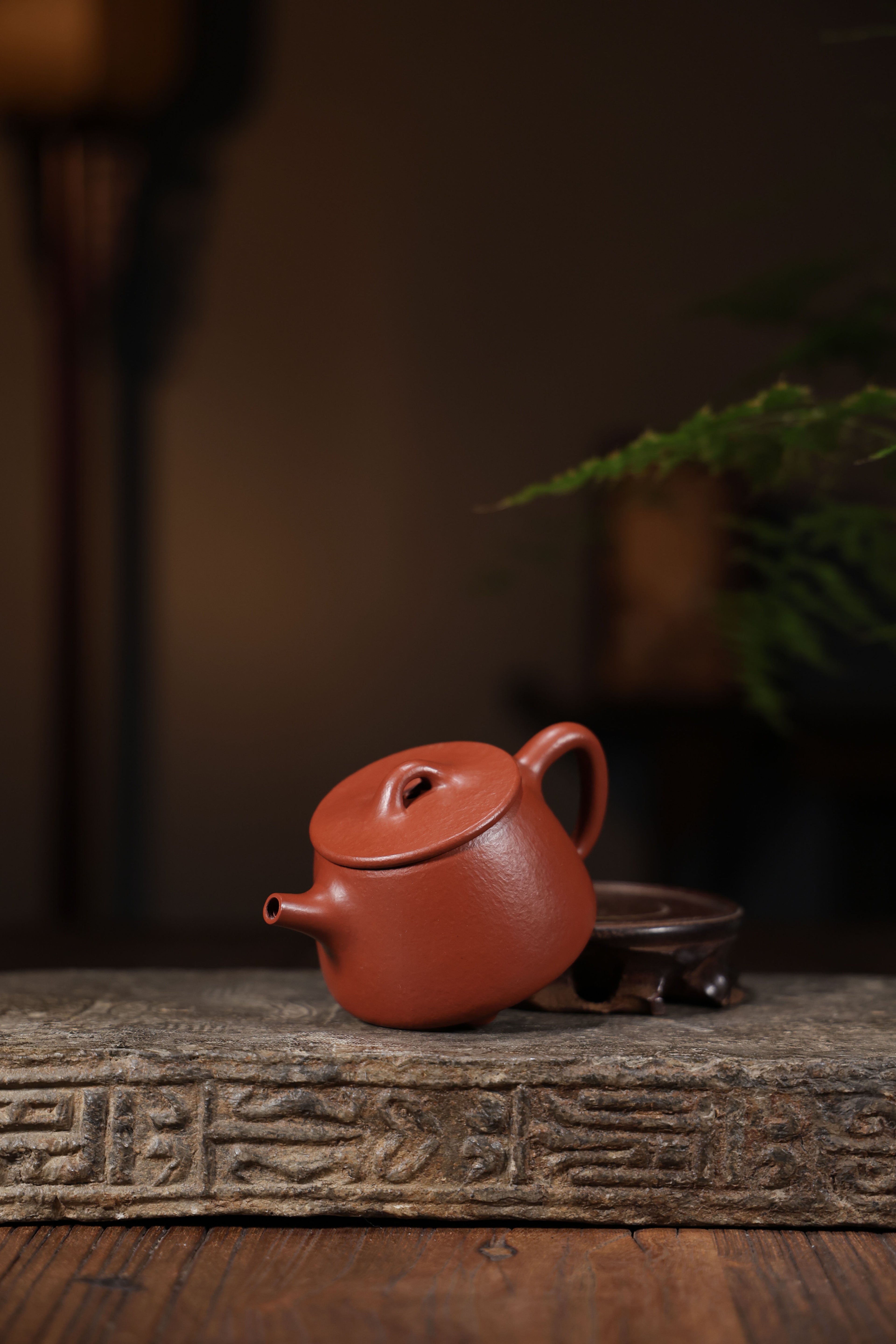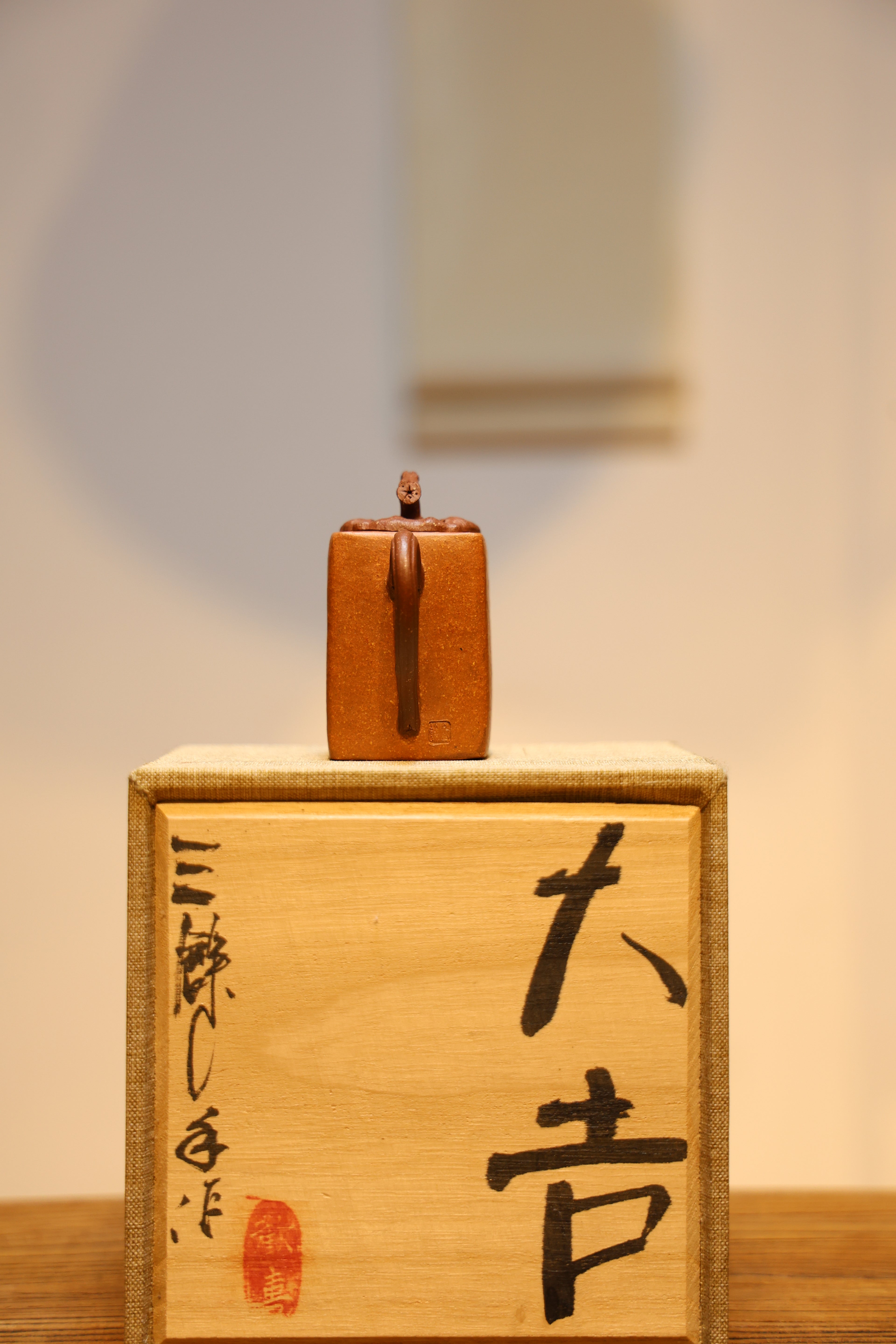
Ages in devotees have long pursued the uncommon charm of Yixing Zisha teapots. Rooted in the picturesque town of Yixing, the country, these teapots are made from a rare and collected purple clay distinguished for its unmatched thermal characteristics and aptitude to elevate the aroma of brews. Beyond their valuable appeal, Zisha teapots express a extensive historical heritage, designating them notably coveted and a authentic treasure for any committed teapot collector.
Investigating Yixing Clay Pots
Famous teapots illustrate a unusual blend of history and seasoned craftsmanship. Existing in Yixing, Jiangsu Area of China, their narrative dates back the Ming Dynasty, although signs suggest earlier versions. The unique wine-colored clay, called Zisha, found uniquely in the Yixing region, is the vital component, contributing to the pots' notable heat preservation and the manner they influence the notes of tea. Periods of potters have polished techniques—often bestowed through families—including forming the clay, applying intricate embellishments, and firing the pots at deliberate temperatures.- Initially, Yixing teapots were often decorated with simple designs.
- In due course, more elaborate carvings and figurative motifs became accepted.
- The heat treatment itself is a key element, requiring prolonged intervals of skill.
Gathering Zisha Teapots: Fundamental Points
Commencing a search to assemble Zisha earthenware can be fruitful, but it’s essential to recognize what to consider. Authenticity is critical; focus on the clay’s natural tint, a understated reddish-brown is usual. Examine the touch; genuine Zisha has a distinctive tactile sensation, often explained as slightly unequal. The shape should be appealing and consistent with conventional styles, while maker’s marks, if present, require precise examination for genuineness. Don’t refrain to consult with professional consultants or established contacts – their guidance is critical.
The Earthenware: Surveying the Lineage of the Yixing Purple Earth
Generations have seen Yixing Violet Clay teapots preserve a special role in Chinese history. These carefully constructed pots, sourced specifically from the region of Yixing, are renowned for their recognizable tone, grain, Chinese Teapot and their ability to amplify the bouquet of potions. Legions of collectors acquire antique Yixing teapots, valuing them greatly not only for their aesthetic appeal, but also for the past they embody.
Yixing Zisha Teapots: Exceptional Ultimate Selections and Their Aspects
Ming Clay teapots, native to the celebrated section of Yixing, the state, are acclaimed for their exclusive clay and remarkable brewing aptitudes. Inside the several Zisha types, those kinds that are highly valued include Qingtian. Binzhou, known for its strong purple shade and silky texture, delivers a delicate flavor. Duan Ni subclass, recognizable by its rusty color and a bit grainy feel, is thought to enhance a richness. Lastly, Zhuni faction boasts an scarce crimson tone and can impart a savory nuance. Each sort delivers a different experience, facilitating them notably desirable with beverage enthusiasts.
Mastering Unique Earthenware Vessel
To unlock the capability of your Yixing pot, understanding the correct modus operandi is critical. These clay vessels, celebrated for their porosity, will successively incorporate the essence of the tea you cook within them. Begin by cleaning the jar thoroughly with tepid water. Then, use only top-grade raw leaf tea, as lower quality options can harm the object’s delicate essence. Always allow the leaves to grow completely, and remember that with each session, your Yixing jar will become steadily refined.
Sustaining Your Precious Zisha Relic
Proper attention for your Zisha urn is necessary to conserving its appearance and appreciation. Zisha clay, hailed for its unique nuance and consistency, requires considerate handling. Never use strong formulas, as these can affect the film. After every session, rinse the container with warm water and allow it to evaporate completely.
- Resist soaking the pot for extended lengths.
- Regularly use a soft polishing cloth to clean the exterior.
- Reflect on applying a thin layer of food-grade mineral oil inside the pot after drying, which can limit staining.
Essentials of Yixing Pots
Yixing clay pots, originating from the Yixing district in Jiangsu Province, China, are celebrated for their distinctive features. Constructed from the unique purple compound known as Zisha, these vessels are prized by infusion enthusiasts worldwide. This digest will briefly explain the principles – covering forms of Zisha composite, popular shapes, and important care recommendations. Understanding the foundation of Yixing jars can enhance your appreciation for this esteemed example of Oriental folklore.
Fabrication of Chinese Clay Pots: Spotlighting Zisha found in Yixing locality
Zisha compound from Yixing represents the height of Zhongguo earthenware design, exhibiting a rare composition of elemental beauty and hands-on artistry. These extraordinary pieces are renowned for their deep color schemes, often extending between intense purples and red hues to soft greys and light beiges. The distinct mineral composition of the native Zisha material imparts a defining texture and yields a desirable aroma that elevates the total infusion experience, rendering them very desired collectibles and essential components of any serious tea.