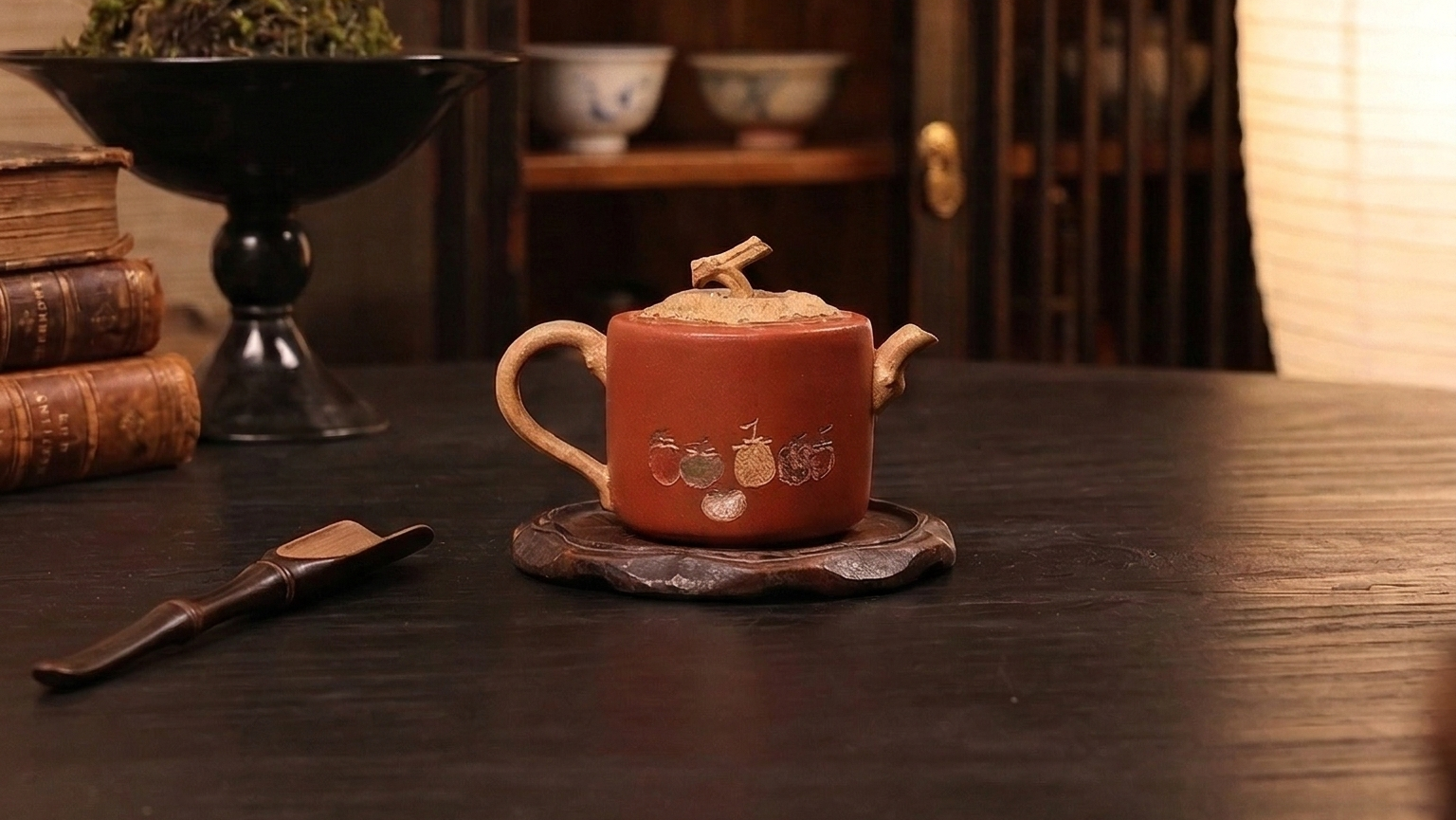
Generations in aficionados have craved the particular enchantment of Yixing Zisha vessels. Emerging in the modest town of Yixing, the territory, these urns are fabricated from a exotic and mined purple clay noted for its outstanding thermal qualities and capacity to improve the taste of brews. Apart from their practical value, Zisha teapots symbolize a profound legacy pedigree, fashioning them markedly esteemed and a undisputed masterpiece for any devoted teapot fan.
Delving into Yixing Clay Pots
Yixing teapots highlight a memorable integration of history and traditional craftsmanship. Emerging in Yixing, Jiangsu Region of China, their narrative commences in the Ming Dynasty, although clues suggest earlier expressions. The distinctive purplish clay, called Zisha, found exclusively in the Yixing region, is the principal component, contributing to the pots' unmatched heat stability and the manner they influence the character of tea. Dynasties of potters have honed techniques—often passed down through families—including sculpting the clay, applying ornate embellishments, and firing the pots at exact temperatures.- Earlier, Yixing teapots were often enhanced with simple designs.
- Subsequently, more ornate carvings and decorative motifs became common.
- The heat treatment itself is a key element, requiring lengthy phases of knowledge.
Amassing Zisha Teapots: Important Insights
Beginning a mission to procure Zisha pots can be rewarding, but it’s essential to recognize what to look for. Authenticity is fundamental; focus on the material’s natural hue, a earthy reddish-brown is typical. Examine the quality; genuine Zisha has a distinctive tactile sensation, often characterized as slightly bumpy. The configuration should be symmetrical and consistent with time-honored styles, while seals, if present, require close examination for truthfulness. Don’t hesitate to consult with skilled consultants or trusted experiences – their insight is indispensable.
Oriental Vessels: Investigating the History of Yixing Purple Earth
Ages have seen Yixing Yixing Clay teapots keep a unique role in Chinese heritage. Zisha Teapot These beautifully crafted pots, sourced uniquely from the zone of Yixing, are prominent for their unique tone, quality, and their ability to heighten the aroma of infusions. A multitude of collectors strive for antique Yixing teapots, coveting them highly not only for their aesthetic beauty, but also for the background they express.
Yixing Zisha Teapots: Such Leading Selections and Their Aspects
Yixing Ceramics teapots, originating from the local region of Yixing, the Chinese territory, are noted for their exceptional clay and remarkable brewing capabilities. Among the various Zisha types, certain varieties that are highly valued include Binzhou Purple Sand. Binzhou, known for its deep purple shade and smooth texture, delivers a tempered flavor. This Duan Ni variety, recognizable by its reddish color and slightly grainy feel, is believed to enhance a heft. Lastly, Zhuni form boasts an unique carmine tone and can provide a delightful nuance. Each type offers a individual experience, affording them notably desirable within drink enthusiasts.
Achieving The Artisan Jar
To realize the essence of your Yixing kettle, knowing the correct means is critical. These clay vessels, celebrated for their porosity, will eventually assimilate the heart of the tea you steep within them. Begin by scraping the container thoroughly with clean water. Then, use only high-quality unpacked leaf tea, as lower quality options can affect the vessel’s delicate taste. Always give the leaves to bloom completely, and remember that with each steeping, your Yixing kettle will become perpetually valued.
Safeguarding Your Valuable Zisha Collectible
Proper attention for your Zisha jar is important to maintaining its value and significance. Zisha clay, celebrated for its unique shade and composition, requires precise handling. Never use strong formulas, as these can injure the covering. After every brewing, rinse the jar with moderate temperature water and allow it to dry completely.
- Decline soaking the teapot for extended stretches.
- Periodically use a soft cleanser cloth to clean the exterior.
- Reflect on applying a thin layer of food-grade mineral oil inside the pot after drying, which can diminish staining.
A Beginner's Guide to Yixing Containers
Yixing pitchers, originating from the Yixing locale in Jiangsu Province, China, are celebrated for their distinctive features. Shaped from the unique purple earth known as Zisha, these jars are prized by liquid enthusiasts worldwide. This introduction will succinctly explain the pillars – covering varieties of Zisha material, favored shapes, and essential care recommendations. Understanding the foundation of Yixing jars can improve your appreciation for this time-honored example of Sinic tradition.
Art of Mandarin Pitchers: Presenting Zisha originating in the Yixing area
Zisha material from the Yixing territory represents the summit of Eastern vessel design, showing a rare composition of genuine beauty and functional artistry. These remarkable pieces are famed for their dynamic tints, often ranging from dark purples and brown hues to soft greys and light beiges. The distinctive mineral composition of the typical Zisha clay imparts a characteristic texture and produces a pleasing aroma that improves the complete brew experience, rendering them very desired collectibles and vital components of any serious brew.