Clay sculpture shows a notable practice form with a prolonged record, stretching back numerous of decades. From ancient canisters to current setups, the resource offers unmatched possibilities for creative demonstration. Builders work with various techniques – including forming, wheel casting, and enhanced firing processes – to mold humble dirt into exquisite three-dimensional productions. The longevity of fired clay also contributes to its status as a truly timeless part of human legacy.
Researching Ceramic Tile Motifs and Approaches
The area of ceramic sign design offers a sizable array of resourceful possibilities. Artists often utilize a mixture of time-honored and cutting-edge techniques to construct visually stunning pieces. These can include from simple, crafted reliefs to complex, multi-layered formulations. Conventional methods include slip casting, manual forming, enameling – which can involve different methods like primary coloration, decoration on top of the glaze, and scratched decoration where designs are uncovered by removing a layer of coating. Further exploration into outer appearances such as the raku firing method and lustre decoration can lead to truly uncommon and specialized porcelain markers.
- The slip cast process - Forming pieces using a mold
- Manual Crafting - Precisely forming the loam
- Enameling - Covering the surface with a smooth finish
- Etched illustration - Bringing out designs by taking away layers
Mesmerizing Experiences: Porcelain Art Exhibits
The maturing landscape of visual arts presents exciting original avenues for viewers, and ceramic art installations are at the apex of this wave. These aren't just static sculptures; they are assembled to envelop the onlooker in a sensory environment. Imagine travelling across a forest of towering, coated ceramic trees, or navigating a labyrinth of detailed ceramic vessels. Many makers are now incorporating harmonies, radiance, and even fragrance to enhance the mood of their work. Picture the power of a room filled with hundreds of expertly ceramic works, each telling a story. Usually, such installations investigate themes of wilderness, the past, and society.
- Such installations blur the edges between creation and venue.
- Observing a ceramic art installation can be a deeply transformative journey.
- Makers are advancing the parameters of what is conceivable with clay.
Any Grace of the Stoneware Pot: Application and Form
The pottery vessel represents a lovely amalgamation of practicality and creative appeal. Historically, these pots served a basic function in keeping liquids, but their growth has transformed them into highly valued works of craftsmanship. Each creation showcases the ability of the builder, demonstrating how shape can be as vital as service. The deliberate shaping, the exceptional glazes, and the holistic presence of a well-made container can lift a space, offering both magnificence and a quiet reminder of the craftsman’s hand.
Recent Ceramic Form : Stretching Margins
State-of-the-art pottery form represents a fascinating transition from customary practices. Builders are actively innovating with original strategies, overlapping the borders between craft and other creative fields. From grand installations to fine miniature pieces, aforementioned works analyze themes of background while coincidingly remaking the foundational of what clay can be. The resulting is a vibrant field of artistic presentation.
Terracotta Plate: Upholding Chronicle in Terracotta
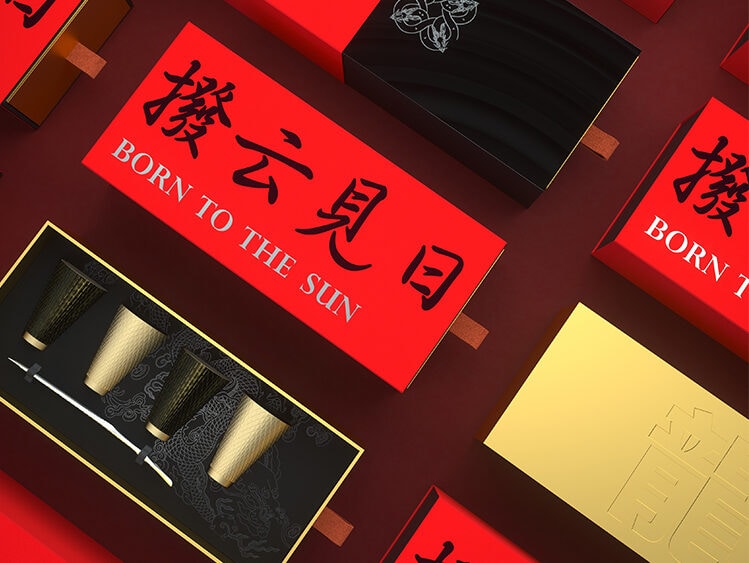
Terracotta plaques offer a exclusive method for capturing significant events and characters. As opposed to traditional metal or stone markers, these lasting pieces of work are formed from baked clay, creating a concrete link to the bygone era. Often, they illustrate intricate models or precisely drawn imagery, communicating stories that might otherwise be disregarded. These technique, traceable to ancient cultures, provides a beautiful and timeless way to remember our collective Jingdezhen Ceramic Cup Set history.
- Such can be placed in general spaces.
- A multitude of are now viewed historical treasures.
Ceramic Art Presentations: Remodeling Locations
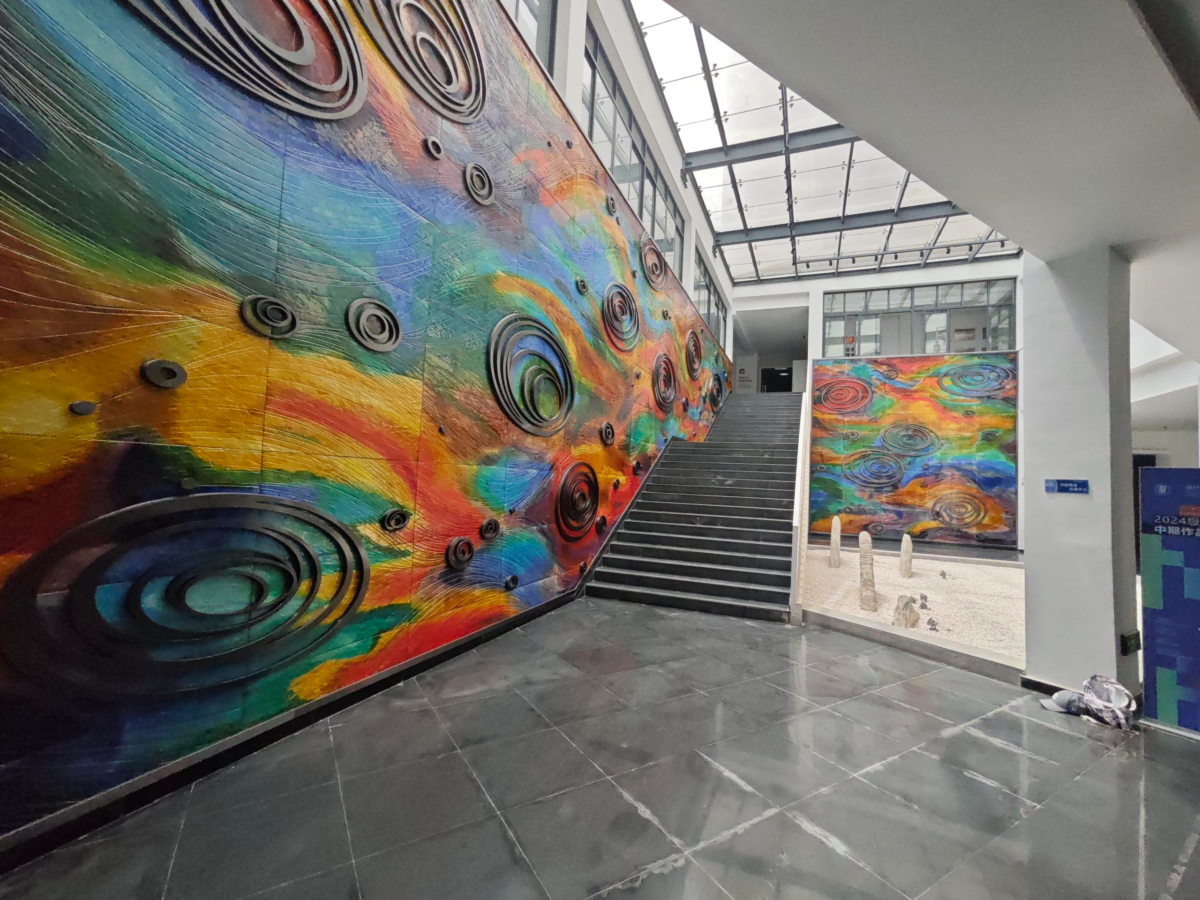
Ceramic art installations are materializing a strong medium for sculptors to reimagine public and private places. These immersive creations frequently involve large-scale clay models that involve viewers, shifting their awareness of the created environment. By incorporating diverse ways like manual assembly and complex firing procedures, ceramic artists generate truly original experiences, removing the boundaries between production and environment. The upshot is often a emotional transformation that improves the aesthetic quality of the site and encourages communication.
Beginning Spindle to Marvel: The Practice of the Clay Holder
The journey of a clay jar from a simple lump of clay to a polished work of art is a testament to human talent. Classicall, the process initiates with the potter’s rotary device, where the talented artisan carves the rotating earth into a cylindrical design. This early part demands skilfulness and a sharp eye, followed by a delicate dehydration period. Once heat-treated, the holder is ready for decoration, which may consist of decorating intricate patterns, sculpting detailed illustrations, or applying a selection of layers. The definitive baking process then modifies the artifact into a durable and beautiful container, a tangible expression of the builder's vision.
Working with Stoneware: A Course to Brick Craft
Entering the field of terracotta production begins with understanding the essentials of carving with stoneware. A practice involves methodically assembling and carving components to produce three-dimensional models. If you're a neophyte or a seasoned maker, playing with assorted sorts of pottery – for example ceramic – will support you detect your personal signature. At last, terracotta carving is a fruitful path that fuses professional proficiency with original communication.